Paediatric Physiotherapy Treatment
We create individualised therapy plans tailored to your child’s needs, focusing on improving strength, balance, coordination, and mobility.
Treatment for Conditions
Explore conditions we commonly support. If you’re unsure, reach out and we’ll guide you.
In-Clinic & Home-Based Physiotherapy
Clinic Visit
We welcome you to visit our clinic, where we offer a comfortable, well-equipped environment designed specifically for children’s therapy sessions.
Home-Based Physiotherapy
(Currently fully booked until 2027)
Some children benefit most from therapy in the familiar surroundings of their own home. Home visits are considered on a case-by-case basis, depending on your child’s needs and location. Please feel free to reach out to discuss whether this option may be suitable for your family.
Our Approach
Dynamic Movement Intervention (DMI) Approach
Dynamic Movement Intervention (DMI) is an evidence-based therapy approach designed to help children improve gross motor skills such as head control, sitting, standing, and walking. DMI uses a series of structured exercises that challenge the child’s body to respond and adapt—helping build strength, postural control, and balance. In each session, your child is guided through specific movements with gentle, precise support from the therapist.
Our goal with DMI is to create meaningful changes in how your child moves while making sessions fun, engaging, and confidence-building.
DMI is especially beneficial for:
- Children with developmental delay
- Hypotonia (low muscle tone) or hypertonia (high tone)
- Genetic, neurological, or motor disorders
- Babies and children who need help progressing through gross motor milestones
Bobath (Neurodevelopmental) Approach
At our clinic, we incorporate the Bobath (Neurodevelopmental) Approach—a well-established therapy method used worldwide to support children with neurological and motor challenges. The Bobath approach focuses on understanding how your child moves, how they control their body, and how we can help them build better, more functional movement patterns in everyday life.
Our sessions are playful but purposeful, led by your child’s needs, using hands-on techniques and guided movements in a supportive, child-friendly space. We also work closely with parents and caregivers so that strategies can continue at home, making therapy a part of daily life—not just something that happens in the clinic.
We use this approach to:
- Encourage more natural, efficient movement
- Reduce unwanted or difficult movement patterns
- Improve posture, balance, and control
- Build the foundations for sitting, crawling, standing, and walking
- Support your child’s ability to participate in play and daily activities
Neuromuscular Electrical Stimulation (NMES)
As part of our therapy options, we may offer Neuromuscular Electrical Stimulation (NMES)—a safe and evidence-based technique that uses gentle electrical impulses to activate specific muscles.
The stimulation is delivered through soft surface pads placed on the skin. Most children describe it as a mild tapping or buzzing sensation, and it is always applied with care, closely monitored by the therapist.
We combine NMES with purposeful movement tasks—like stepping, reaching, or weight-bearing—to help the body learn and improve function through active participation. We follow guidelines set by the Association of Paediatric Chartered Physiotherapists (APCP) to ensure the safe and appropriate use of electrical stimulation. This technique is only considered if clinically suitable, and we will always discuss the goals, process, and expectations with you in advance.
This method helps children:
- Strengthen weak muscles
- Improve muscle activation and control
- Support better movement patterns for sitting, standing, or walking
- Encourage functional use of specific muscle groups
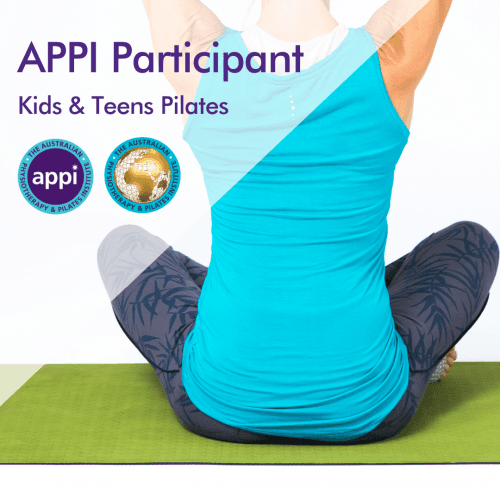
APPI Matwork Pilates for Children
APPI Matwork Pilates is a fun and safe way to help children build strength, balance, and body awareness. Developed by physiotherapists, this program uses simple, adaptable exercises designed especially for kids. It supports healthy posture, improves flexibility, and encourages good movement habits from an early age.
We use fun and engaging APPI Matwork Pilates-based exercises to support children with postural concerns, recovery from injury, and challenges related to coordination and balance. These exercises are not only therapeutic but can also be enjoyed as a fun family activity at home.
We use this approach to:
- Strengthens core muscles to support posture and stability
- Improves balance, coordination, and body awareness
- Encourages healthy movement habits from an early age
- Enhances flexibility and mobility
- Builds confidence through fun and engaging exercises