Services
Music Therapy
Music Therapy is an evidence-based healthcare profession that uses music intentionally to support emotional, cognitive, social, motor, and communication development — designed around each individual’s needs and goals.
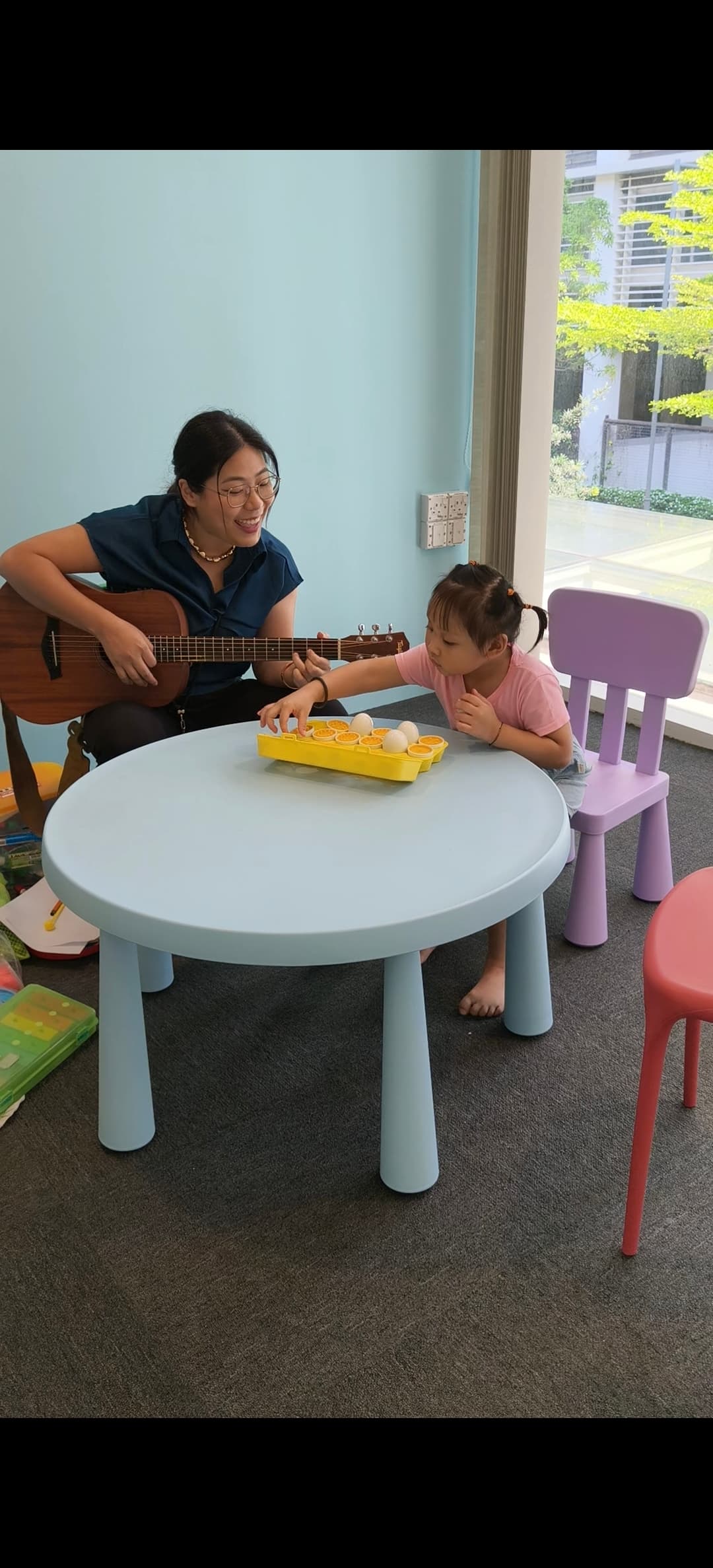
Music is the tool — progress is the goal.
Think of the brain like a network. When stress, sensory overload, or developmental challenges disrupt connection, everyday skills can feel harder — communication, focus, movement, and regulation.
Music therapy uses rhythm, melody, and play to help the brain build new pathways (neuroplasticity), organise responses, and strengthen functional skills — in a way that feels safe, engaging, and child-led.
It’s not about musical ability. It’s about growth, regulation, and connection.
What is Music Therapy?
Sessions are conducted by a board-certified music therapist and thoughtfully designed to meet each individual’s therapeutic goals.
Through singing, instrument play, movement, and listening activities, music therapy supports emotional regulation, communication, social engagement, and functional skill development.
Sessions are individualised, goal-oriented, and play-based, grounded in clinical research and therapeutic frameworks.
Who Can Benefit?
Children • Adolescents • Adults • Families
Music therapy may support individuals experiencing:
- Developmental delay
- Autism Spectrum Disorder (ASD)
- ADHD and attention difficulties
- Speech and language delay
- Emotional regulation difficulties
- Anxiety, stress, or low self-esteem
- Trauma or medical-related stress
- Social communication challenges
- Motor coordination and planning difficulties
- Children with complex medical needs or prolonged hospitalisation
If you’re unsure whether music therapy is suitable, we’re happy to advise.
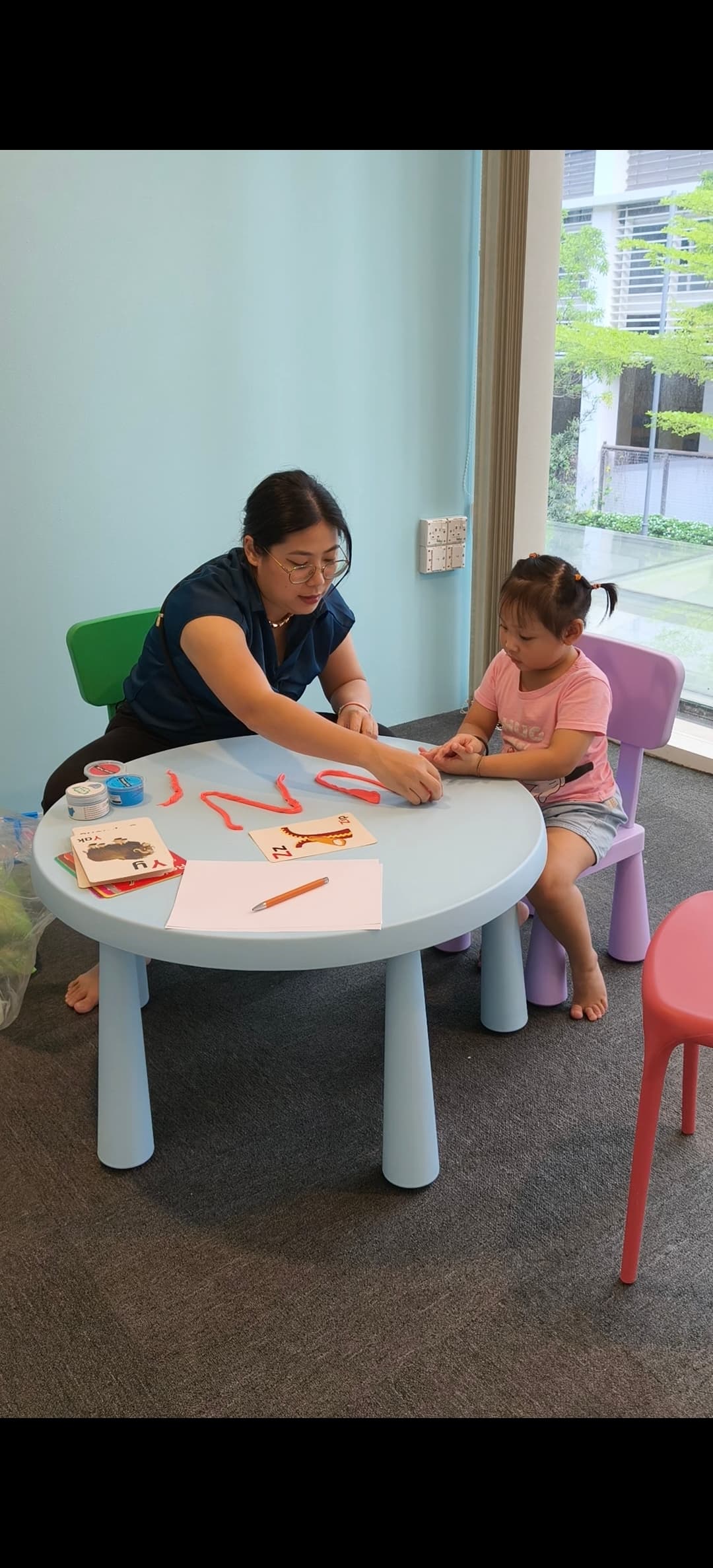
How Music Therapy Helps
Music therapy supports development in ways that are engaging, motivating, and meaningful — especially for children.
Attention & Focus
Build attention, engagement, and executive functioning through rhythm, structure, and musical cueing.
Emotion Regulation
Support expression, calming, and coping skills using music for co-regulation and self-regulation.
Communication
Encourage interaction, turn-taking, vocalisation, and language goals through singing and musical play.
Motor & Coordination
Strengthen planning, timing, and coordination through instrument play and movement-based activities.
Confidence & Identity
Celebrate strengths, build mastery, and support positive self-identity with achievable musical goals.
Parent–Child Bonding
Create shared moments of connection and joy, and empower families with strategies to use at home.
About Our Music Therapist
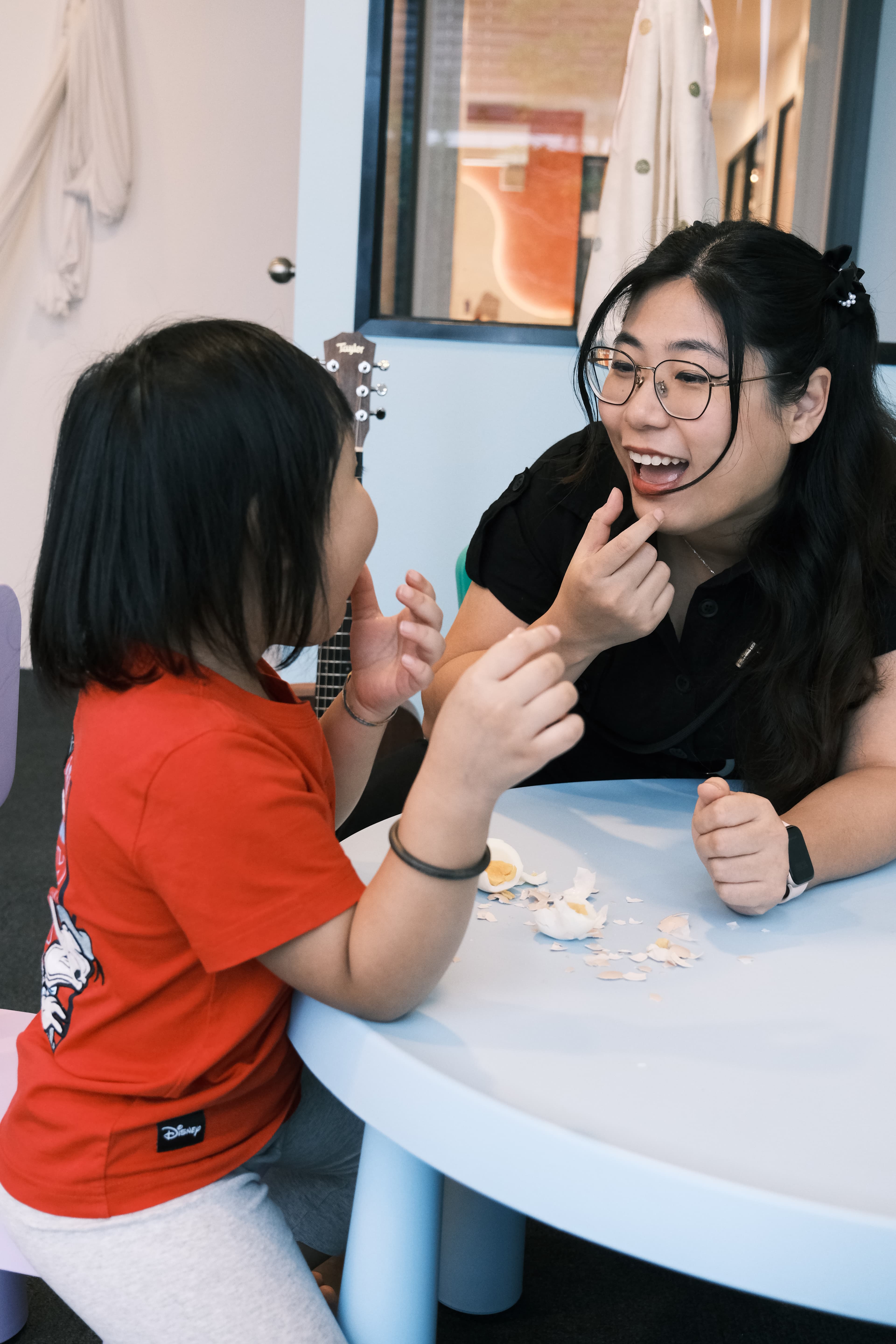
Sandra Cheah, MoPC, MT-BC
Board-Certified Music Therapist (USA) • Licensed Counsellor
Sandra is a dual-licensed professional with extensive experience in paediatric medical and rehabilitation settings, providing specialised music therapy and trauma-informed care for children.
She received additional clinical training at Boston Children’s Hospital while completing her 5-year degree in Music Therapy at Berklee College of Music. She has worked in leading medical environments including UCLA Mattel Children’s Hospital NICU, and is currently a Visiting Specialist at Pusat Perubatan University Malaya (PPUM).
Her interventions are designed to enhance neuroplasticity and functional independence, complementing physiotherapy, occupational therapy, and speech therapy — supporting children with ASD, ADHD, speech delays, learning differences, cerebral palsy, and medically complex conditions.
As President of the Malaysian Music Therapy Association, Sandra advocates for music therapy in paediatric rehabilitation — using music as a fun, engaging, child-centred, evidence-informed tool.